
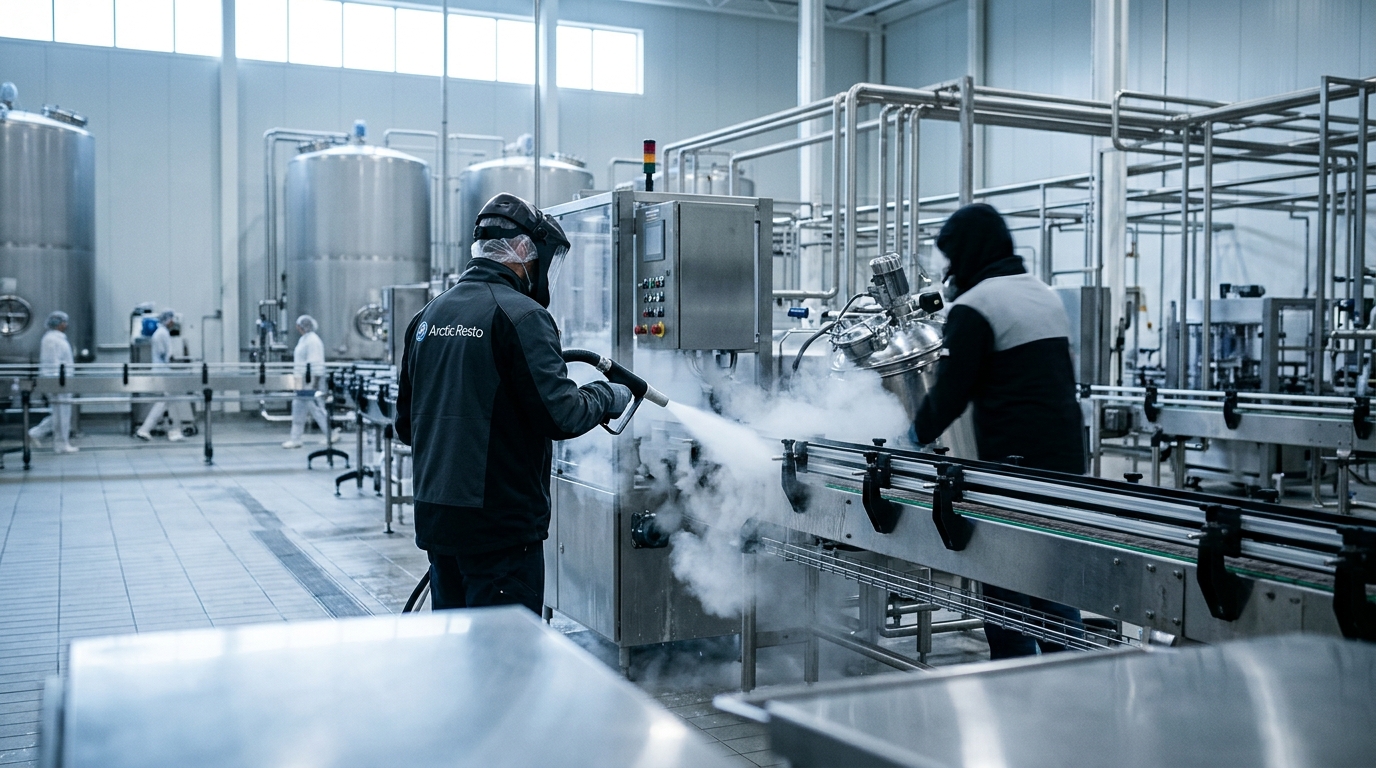
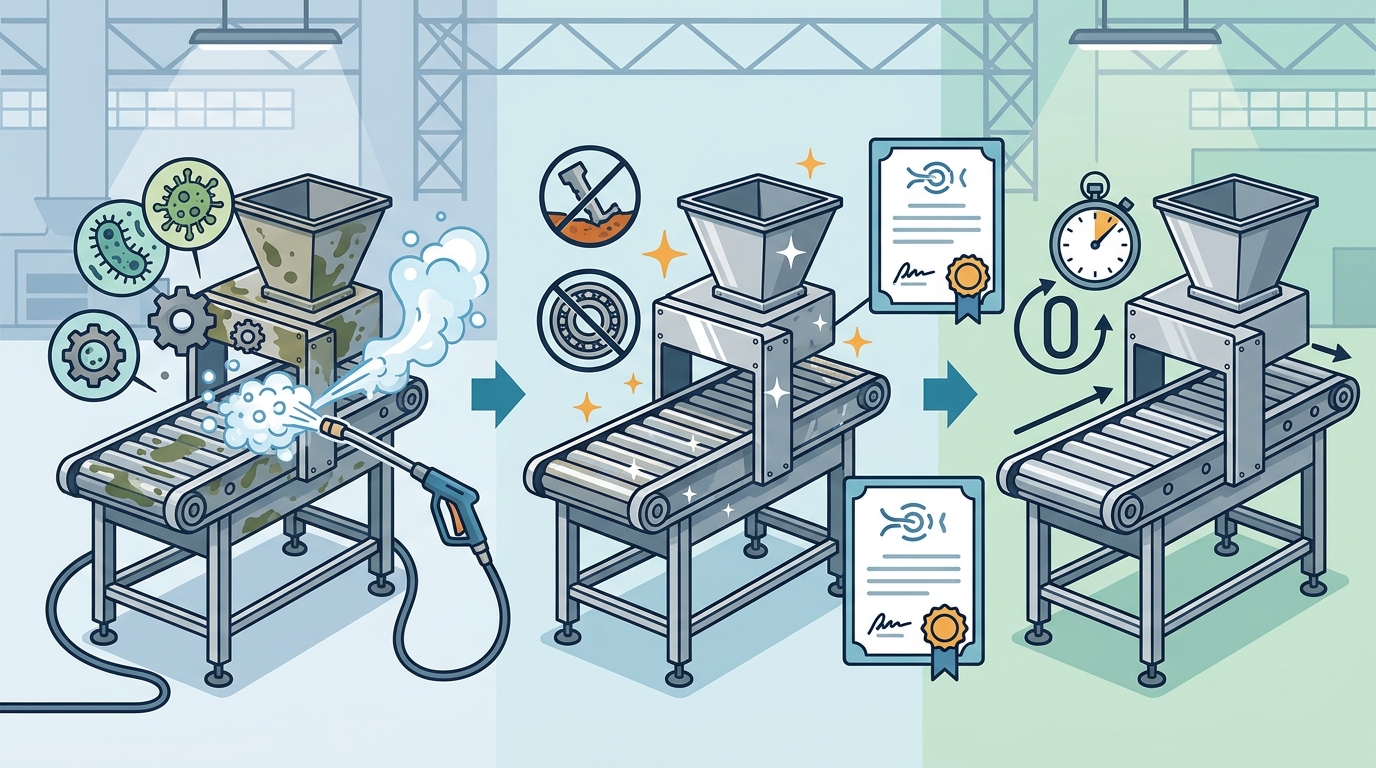
Food processing plants in Connecticut should expect a sustained reduction in microbial load, extended equipment lifespan, and consistent compliance with FDA sanitation standards when adopting dry ice cleaning. This method eliminates the need for water and harsh chemicals, preventing the corrosion and residue buildup that degrade machinery over time. By using Arctic Resto mobile services, facilities can maintain a sterile environment without the downtime associated with traditional pressure washing or chemical soaking. For additional details, review the arcticresto com.
Immediate Microbial Reduction and Sanitation
In food processing environments, this mechanism is critical for preventing cross-contamination. Traditional cleaning methods often leave behind moisture, which serves as a breeding ground for mold and bacteria. By removing moisture and organic matter simultaneously, dry ice cleaning ensures that surfaces remain dry and sterile immediately after the process. This immediate sanitation is vital for plants that operate on continuous production schedules where equipment cannot be taken offline for extended drying periods. For additional details, review the .
For Connecticut facilities, this means a more reliable path to passing health inspections. The absence of chemical residues ensures that no toxic byproducts remain on food-contact surfaces. This level of cleanliness is not just a one-time fix but a foundational step in maintaining a long-term hygiene culture within the plant. For additional details, review the Customer Experience.
Equipment Preservation and Corrosion Prevention
One of the most significant long-term benefits of dry ice cleaning is among the preservation of sensitive machinery. Water-based cleaning methods, such as high-pressure washing, can force moisture into electrical components, bearings, and seals. Over time, this moisture leads to corrosion, rust, and electrical failures. Dry ice cleaning is a water-free technology that eliminates this risk entirely. Because the process does not introduce liquid water, it protects the integrity of the equipment's internal components. For additional details, review the Frequently Asked Questions.
Furthermore, the non-abrasive nature of the process prevents surface damage. Unlike sandblasting or abrasive media blasting, dry ice pellets do not scratch or erode the metal surfaces they clean. This is particularly important for stainless steel equipment, which is standard in the food industry. Scratches and pits in stainless steel can harbor bacteria and make future cleaning more difficult. By preserving the smooth finish of the equipment, dry ice cleaning ensures that the machinery remains in optimal condition for years. For additional details, review the About.
For plant managers, this translates to reduced maintenance costs and longer equipment lifespans. The investment in dry ice cleaning pays off by delaying the need for costly repairs or premature equipment replacement. This preservation of capital assets is a key financial benefit that compounds over the life of the facility.
Operational Efficiency and Downtime Reduction
Time is a critical resource in food processing. Traditional cleaning methods often require extensive setup, chemical application, rinsing, and drying. This process can take hours or even days, depending on the size and complexity of the equipment. Dry ice cleaning, however, is a rapid process that can be performed while the equipment is still warm. The heat from the machinery helps the dry ice pellets sublimate faster, enhancing the cleaning efficiency.
Because the process is fast and does not require drying time, plants can return equipment to service much sooner. This reduction in downtime allows for increased production capacity and flexibility. For example, a plant can switch between product lines more quickly, reducing the time spent on changeovers. This agility is essential in a competitive market where demand can fluctuate rapidly.
Arctic Resto’s mobile service model further enhances this efficiency. By bringing the cleaning equipment directly to the facility, there is no need to transport machinery to an off-site location. The fully outfitted Mercedes Sprinter vans allow technicians to perform the cleaning on-site, minimizing logistical hurdles. This on-site capability ensures that the cleaning process is integrated seamlessly into the plant’s operational schedule.
Regulatory Compliance and Safety Standards
Compliance with food safety regulations is non-negotiable for processing plants in Connecticut. The FDA and state health departments have strict guidelines regarding sanitation and the use of cleaning agents. Dry ice cleaning is a chemical-free process that aligns with these regulations. It does not introduce any foreign substances into the food production environment, reducing the risk of chemical contamination.
Additionally, the process is safe for workers. Traditional cleaning chemicals can pose health risks, including respiratory irritation and skin burns. Dry ice cleaning eliminates these hazards, creating a safer working environment. This is particularly important for plants that prioritize employee health and safety as part of their corporate culture. By using a safe and effective cleaning method, plants can demonstrate their commitment to regulatory compliance and worker well-being.
Over time, consistent use of dry ice cleaning helps plants maintain a strong compliance record. This can be a significant advantage during audits and inspections. A clean and well-maintained facility is less likely to face violations or penalties. This consistent compliance not only protects the plant’s reputation but also ensures uninterrupted operations.
Environmental Impact and Sustainability
Sustainability is a growing priority for food processing plants. Dry ice cleaning is an eco-friendly alternative to traditional methods. The carbon dioxide used in the process is a byproduct of industrial processes and is captured and reused. It does not contribute to additional greenhouse gas emissions when used for cleaning. Furthermore, the process generates no waste that needs to be disposed of. The contaminants are removed and can be vacuumed up, while the dry ice sublimates into the air.
This environmental benefit is important for plants that are committed to reducing their carbon footprint. By adopting dry ice cleaning, facilities can demonstrate their commitment to sustainable practices. This can be a positive factor in marketing and brand perception. Consumers are increasingly aware of the environmental impact of the products they buy. Knowing that the food was processed in a sustainable and responsible manner can be a selling point.
Key Takeaways
- Dry ice cleaning provides immediate microbial reduction by removing organic contaminants without leaving moisture behind.
- The water-free process prevents corrosion and extends the lifespan of sensitive equipment, reducing long-term maintenance costs.
- Operational efficiency improves due to faster cleaning times and the ability to clean warm equipment, minimizing downtime.
- Chemical-free cleaning ensures compliance with FDA and state sanitation standards, reducing the risk of chemical contamination.
- The process is safe for workers, eliminating the health risks associated with harsh cleaning chemicals.
- Mobile services from providers like Arctic Resto allow for on-site cleaning, integrating seamlessly into production schedules.
Frequently Asked Questions
How often should food processing plants use dry ice cleaning?
The frequency depends on the type of product and the level of contamination. Generally, plants should use dry ice cleaning after each production run or when equipment is switched between product lines. Regular use ensures that contaminants do not build up and become difficult to remove.
Is dry ice cleaning safe for many types of food processing equipment?
Yes, dry ice cleaning is safe for most types of equipment, including stainless steel, glass, and certain plastics. It is non-abrasive and does not damage surfaces. However, it is always recommended to test the process on a small, inconspicuous area before cleaning the entire equipment.
Does dry ice cleaning leave any residue behind?
No, dry ice cleaning leaves no residue. The dry ice pellets sublimate into gas, and the contaminants are removed and vacuumed up. This ensures that the equipment is completely clean and ready for the next production run.
Can dry ice cleaning be used on electrical components?
Yes, dry ice cleaning is safe for electrical components because it is a water-free process. It does not conduct electricity and does not cause short circuits. This makes it ideal for cleaning control panels and other sensitive electrical parts.
How does dry ice cleaning compare to chemical cleaning in terms of cost?
While the initial cost of dry ice cleaning may be higher than chemical cleaning, the long-term savings are significant. The reduction in downtime, lower maintenance costs, and extended equipment lifespan often result in a lower total cost of ownership over time.
Is dry ice cleaning suitable for plants with strict allergen controls?
Yes, dry ice cleaning is highly suitable for plants with strict allergen controls. It effectively removes allergens from surfaces without the risk of cross-contamination from chemical residues. This makes it a preferred method for facilities that process multiple allergens.
Conclusion
Food processing plants in Connecticut can expect significant long-term benefits from adopting dry ice cleaning. From improved sanitation and equipment preservation to enhanced operational efficiency and regulatory compliance, the results are measurable and impactful. By choosing a professional service like Arctic Resto, facilities can ensure that they are using the most effective and sustainable cleaning method available. This investment in quality cleaning pays dividends in the form of safer products, longer-lasting equipment, and a stronger brand reputation. To learn more about how dry ice cleaning can transform your facility, visit the Arctic Resto website today. Learn more: arcticresto com.