
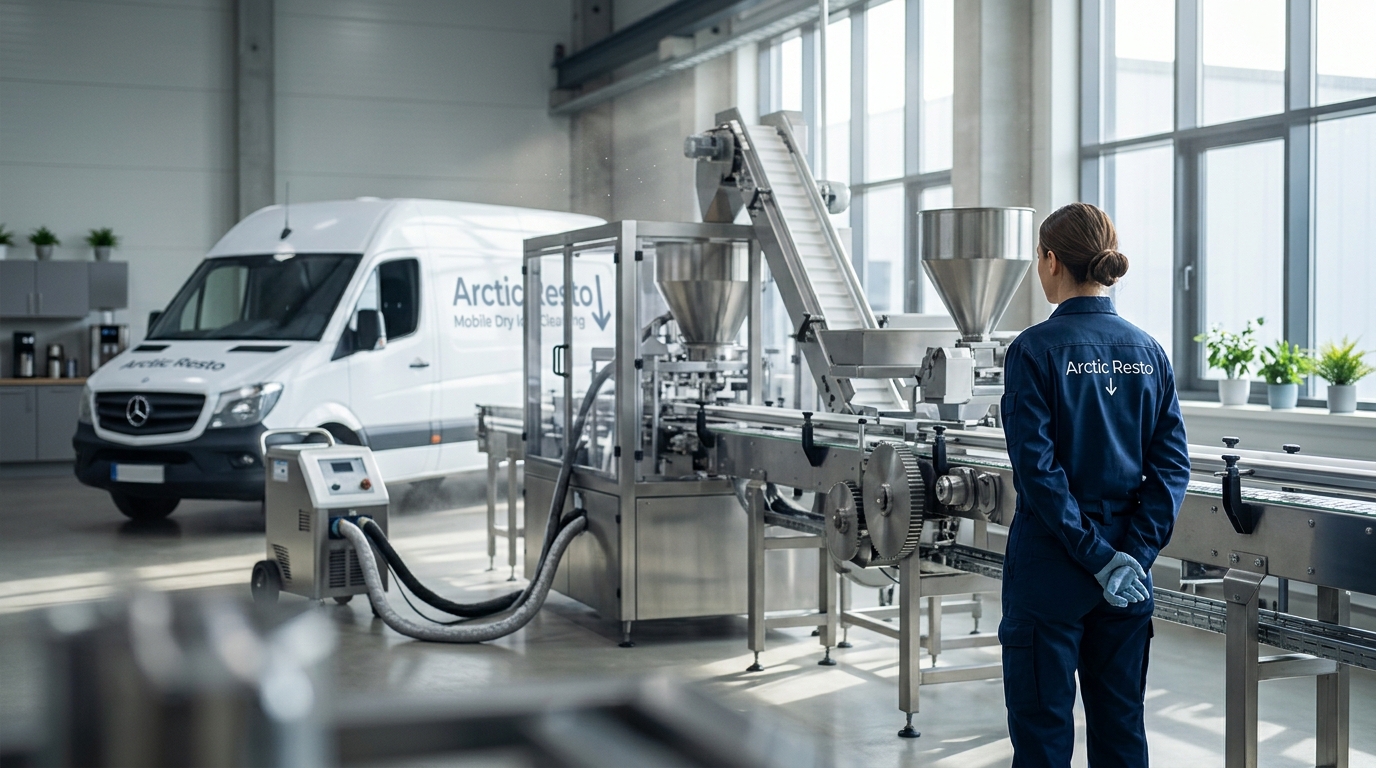
Dry ice cleaning food processing equipment yields measurable improvements in hygiene, equipment longevity, and operational efficiency over time. By removing contaminants without water or chemicals, this method prevents corrosion and reduces downtime. Arctic Resto provides this sustainable solution, ensuring your facility maintains high standards while protecting critical machinery from long-term wear. For additional details, review the arcticresto com.
Immediate Hygiene and Contaminant Removal
The primary immediate result of dry ice cleaning is the thorough removal of baked-on grease, carbon, and biological contaminants. Unlike traditional methods that may push debris into crevices, the sublimation of dry ice pellets creates a micro-blast that lifts dirt away from surfaces. This process is critical for food safety compliance, as it eliminates the risk of chemical residue left behind by harsh solvents. For additional details, review the .
Preventing Cross-Contamination
Food processing environments are prone to cross-contamination, which can lead to costly recalls. Dry ice cleaning addresses this by sanitizing surfaces without introducing new contaminants. The pellets expand rapidly upon impact, creating a shockwave that dislodges particles. This ensures that no residue remains to harbor bacteria or mold in subsequent production cycles. For additional details, review the Customer Experience.
Equipment Longevity and Corrosion Prevention
Long-term use of water-based cleaning methods often leads to corrosion, rust, and pitting on metal surfaces. Dry ice cleaning is a water-free process, which significantly extends the lifespan of stainless steel and aluminum components. By avoiding moisture, you prevent the electrochemical reactions that degrade equipment over years of operation. For additional details, review the Frequently Asked Questions.
Protecting Sensitive Components
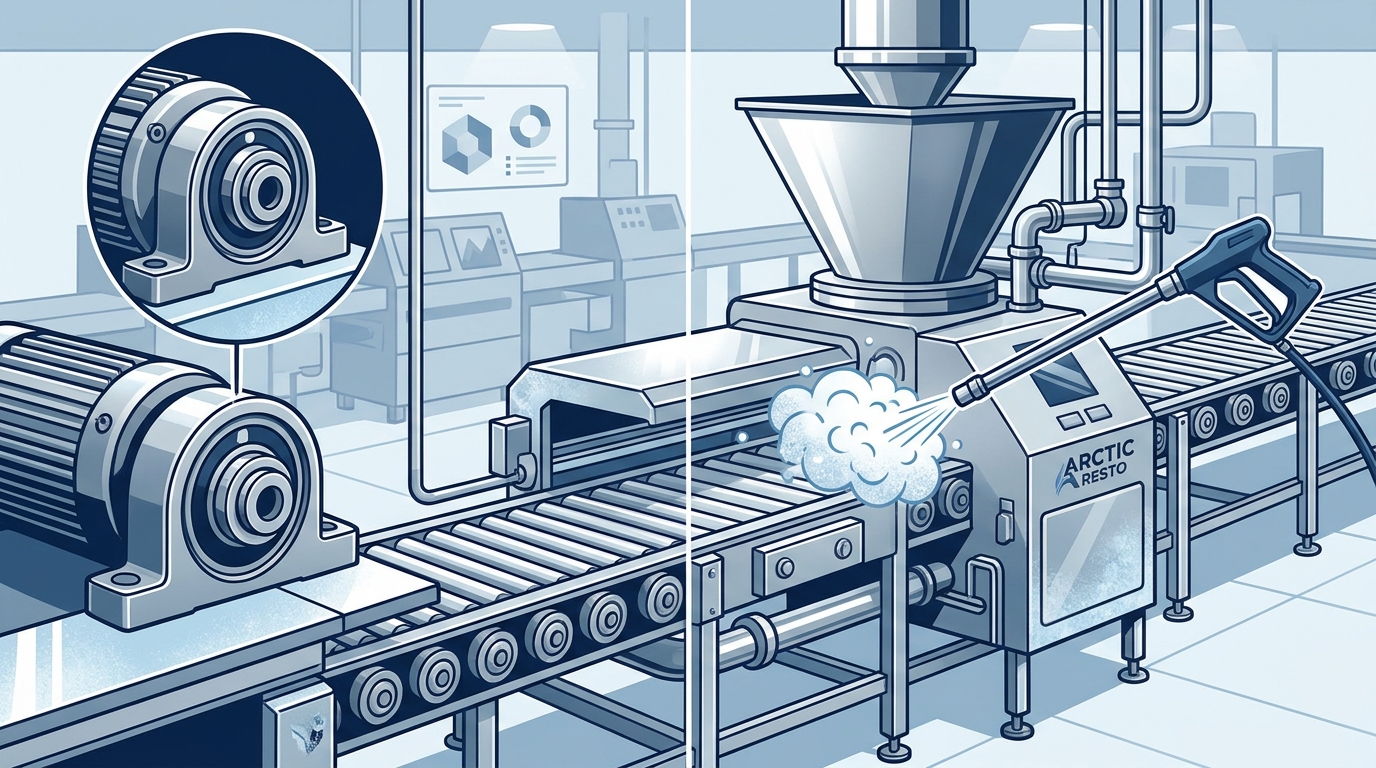
Operational Efficiency and Downtime Reduction
One of the most significant long-term benefits is among the reduction in cleaning downtime. Traditional cleaning often requires disassembling equipment, which is time-consuming and labor-intensive. Dry ice cleaning can be performed on assembled machines, allowing for faster turnaround times. This efficiency translates to more production hours and higher overall output for your facility. For additional details, review the About.
Minimizing Labor Costs
Reducing the time spent on cleaning directly lowers labor costs. Operators can return to production lines more quickly, maximizing the return on investment for your equipment. Over time, these savings accumulate, making dry ice cleaning a cost-effective strategy for large-scale operations. The speed of the process also reduces the physical strain on cleaning crews.
Environmental and Safety Compliance
Regulatory bodies increasingly demand sustainable and safe cleaning practices. Dry ice cleaning is an eco-friendly alternative that produces no chemical waste or runoff. The sublimated carbon dioxide returns to the atmosphere, leaving no secondary waste to dispose of. This aligns with corporate sustainability goals and helps facilities meet environmental regulations.
Worker Safety Improvements
Eliminating harsh chemicals improves the working environment for your staff. Employees are no longer exposed to fumes or skin irritants associated with traditional solvents. This reduction in health risks can lead to lower insurance premiums and improved employee morale. A safer workplace is a more productive one, contributing to the overall success of your operation.
Key Takeaways
- Dry ice cleaning removes contaminants without water, preventing corrosion and extending equipment life.
- The process is non-abrasive and non-conductive, safe for sensitive sensors and seals.
- Cleaning assembled equipment reduces downtime and increases production efficiency.
- No chemical residue remains, ensuring compliance with strict food safety standards.
- The method is eco-friendly, producing no waste or runoff for disposal.
- Reduced exposure to harsh chemicals improves worker safety and morale.
- Long-term cost savings result from extended equipment lifespan and reduced labor hours.
Frequently Asked Questions
Does dry ice cleaning damage food processing equipment?
No, dry ice cleaning is non-abrasive and non-conductive. It is safe for stainless steel, aluminum, and sensitive electronic components, often extending their lifespan by preventing corrosion.
How often should I use dry ice cleaning for my equipment?
The frequency depends on the type of product processed and the level of contamination. Generally, it is recommended for deep cleaning cycles between standard washes, or when heavy buildup is observed.
Is dry ice cleaning safe for food contact surfaces?
Can dry ice cleaning be done on assembled machines?
Yes, one of the major advantages is that it can be performed on fully assembled equipment. This eliminates the need for disassembly, significantly reducing cleaning downtime.
What are the environmental benefits of dry ice cleaning?
Dry ice cleaning produces no chemical waste or water runoff. The carbon dioxide pellets sublimate, returning to the atmosphere, making it a sustainable and eco-friendly cleaning method. Learn more: arcticresto com.